
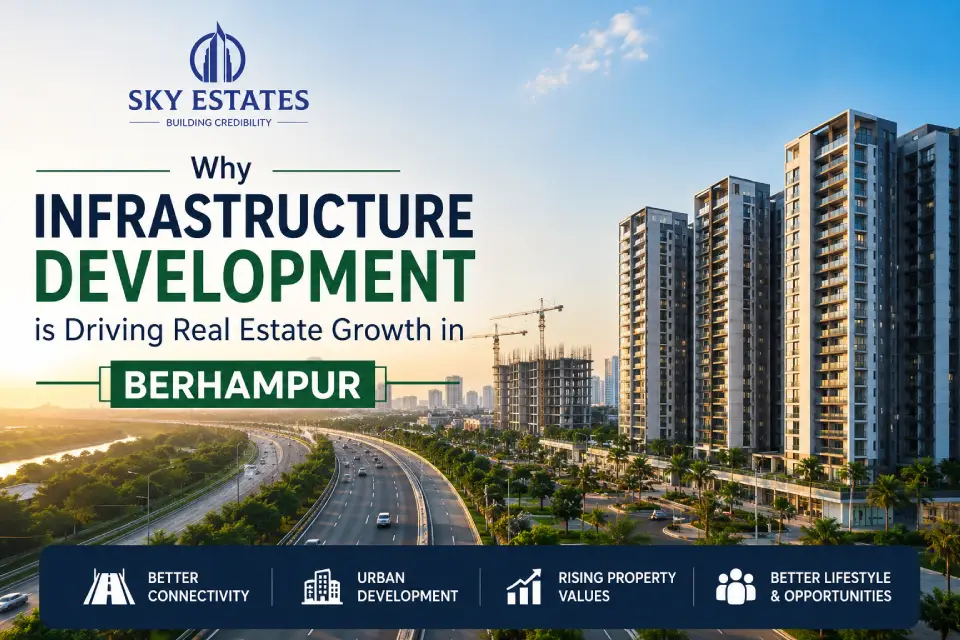
Real estate growth is rarely accidental. Behind every successful property market lies a strong foundation of infrastructure development, improved connectivity, and planned urban expansion. Berhampur, one of Odisha’s fastest-growing cities, is witnessing remarkable transformation due to ongoing development projects and increasing demand for quality residential and commercial spaces.
For investors and homebuyers alike, understanding the relationship between infrastructure and property appreciation can help make smarter real estate decisions.
The Direct Link Between Infrastructure and Property Value
Infrastructure acts as the backbone of any city’s growth. Better roads, transportation facilities, educational institutions, healthcare centers, and commercial hubs create an ecosystem that attracts residents and businesses.
When a region experiences infrastructure improvement:
- Property demand increases
- Land prices appreciate faster
- Rental demand grows
- Commercial activity expands
- Long-term investment potential improves
This is why investors often focus on locations that show strong development potential rather than only current market value.
Improved Connectivity Creates New Opportunities
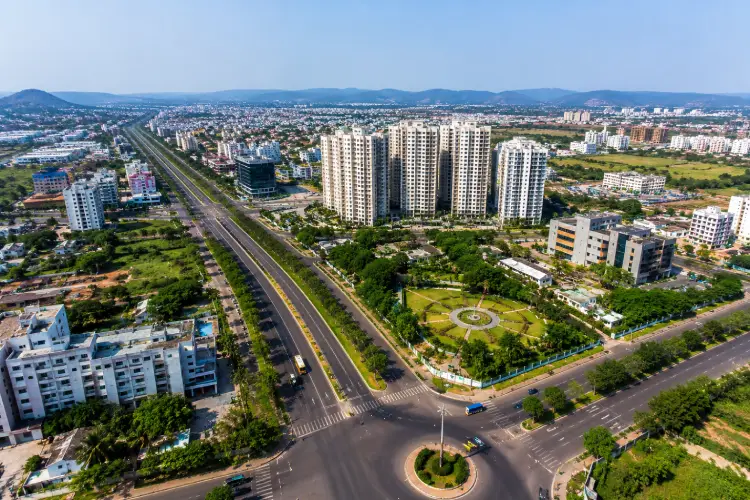
One of the biggest factors influencing real estate growth is connectivity.
Areas connected to:
- Major roads
- Educational institutions
- Hospitals
- Shopping centers
- Employment hubs
often experience higher appreciation rates than isolated locations.
As connectivity improves, previously overlooked areas become attractive for residential projects, plotted developments, and commercial investments.
For homebuyers, this means better convenience. For investors, it means greater future returns.
Growing Demand for Modern Housing
Today’s homebuyers are looking beyond basic housing. They want:
- Secure communities
- Green surroundings
- Better lifestyle amenities
- Parking facilities
- Recreational spaces
- Quality construction
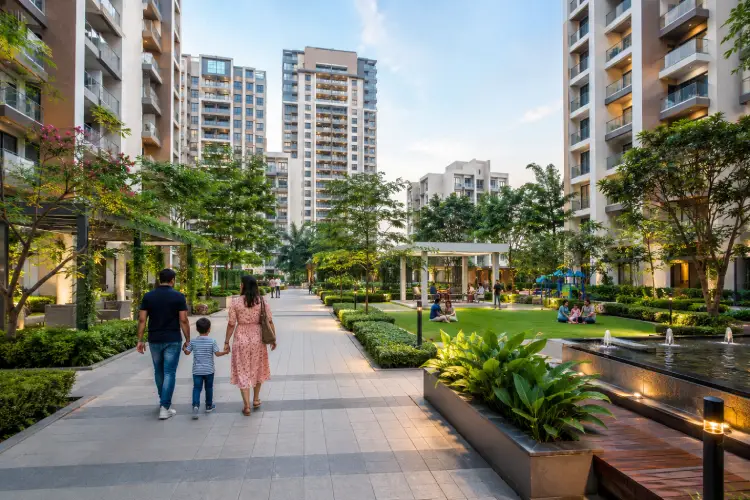
As infrastructure develops, developers gain opportunities to create well-planned residential communities that cater to these evolving expectations.
This shift is encouraging the development of modern apartments, villas, duplexes, and plotted communities across growing urban areas.
Commercial Growth Supports Residential Expansion
Infrastructure improvements not only benefit homeowners but also attract businesses.
As commercial establishments expand, the demand for nearby housing naturally increases. Employees prefer living close to workplaces, schools, and daily conveniences.
This creates a positive cycle:
Infrastructure → Business Growth → Employment → Housing Demand → Property Appreciation
Cities that successfully maintain this cycle often emerge as long-term real estate investment hotspots.
Why Investors Should Focus on Emerging Locations
Many investors make the mistake of entering a market after prices have already peaked.
A smarter strategy is identifying locations where:
- Infrastructure projects are underway
- Population growth is increasing
- Commercial activity is expanding
- Residential demand is rising
Such locations often provide better capital appreciation over the long term compared to already saturated markets.
Investing early allows buyers to benefit from future development rather than paying a premium after growth has occurred.
Factors Homebuyers Should Consider
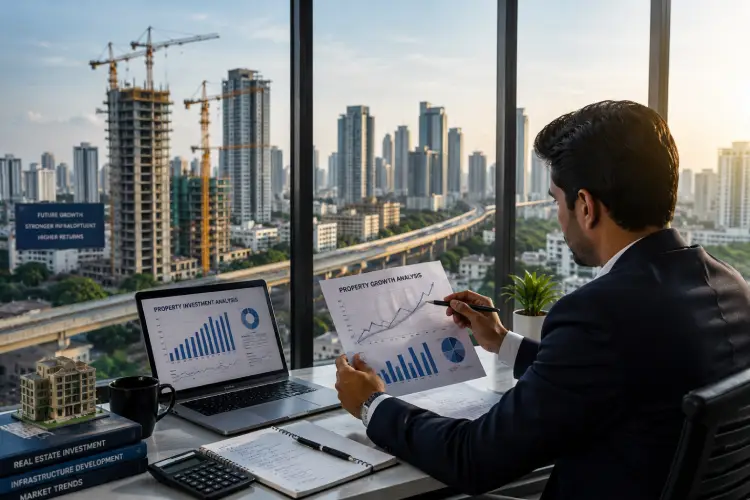
Before purchasing a property, buyers should evaluate:
Location Connectivity
Easy access to daily necessities and transportation.
Future Development Plans
Upcoming infrastructure projects can significantly impact property value.
Developer Reputation
Choose developers with a strong record of transparency and quality.
Legal Compliance
Ensure all approvals and documentation are in place.
Long-Term Appreciation Potential
Look beyond current prices and assess future growth opportunities.
The Future of Berhampur Real Estate
As urban development continues and infrastructure improves, Berhampur is positioned to become an increasingly attractive destination for both end-users and investors.
The combination of growing connectivity, expanding residential communities, and increasing commercial activity is creating new opportunities across the city’s real estate sector.
Those who understand these growth drivers today may benefit from the appreciation potential that future development brings.
Conclusion
Infrastructure development remains one of the strongest indicators of real estate growth. Whether you are buying your dream home or planning a long-term investment, focusing on locations with strong development fundamentals can help maximize value and future returns.
As Berhampur continues to evolve, the connection between infrastructure and property appreciation will play a major role in shaping the city’s real estate landscape for years to come.
